
The Self-Driving Company Is Here, But Humans Still Matter
Growth is entering a more demanding phase. AI is no longer just a productivity experiment, search is becoming an answer engine, commerce is collapsing into fewer clicks, and creator distribution is proving commercially powerful. The opportunity is substantial, but so is the risk: teams that automate without measurement, judgement or human relevance may move faster while losing trust and revenue.
Are AI agents turning businesses into self-driving companies?
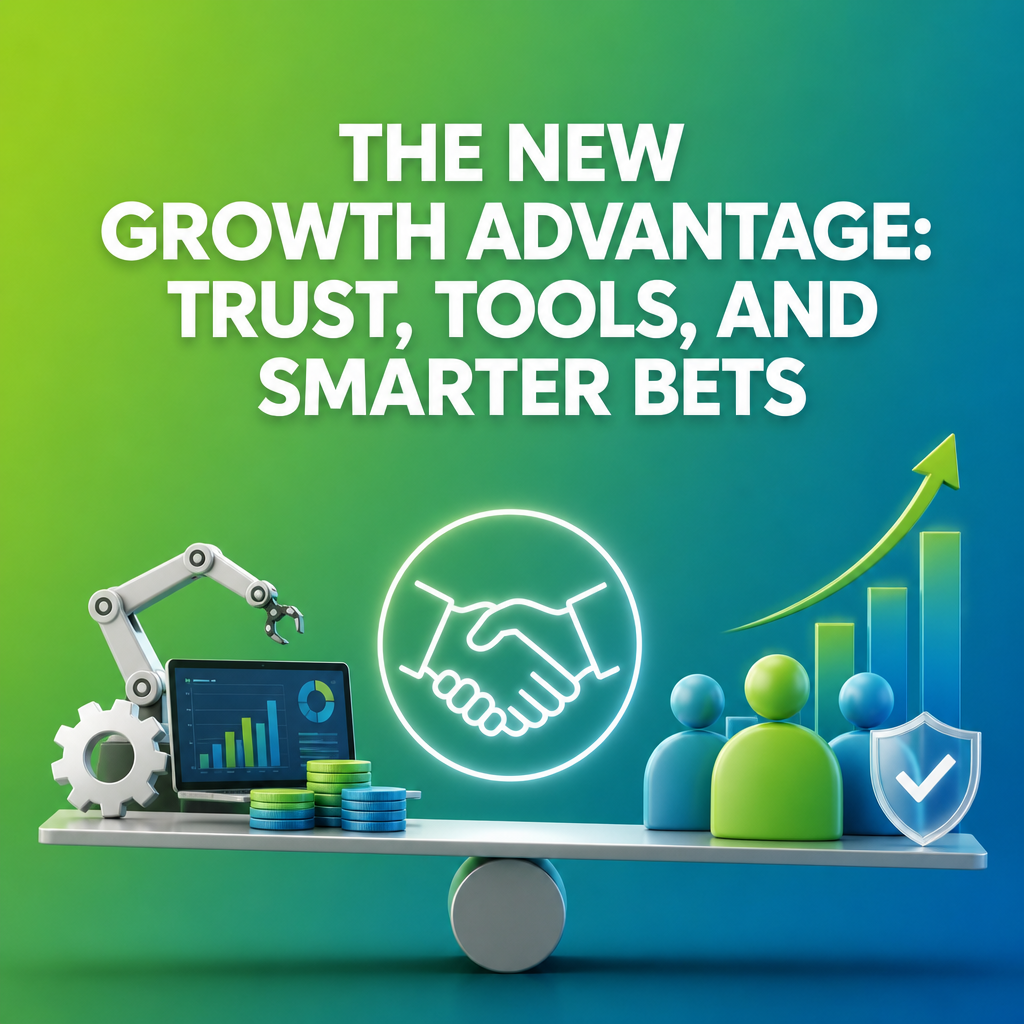
AI agents are beginning to operate across software development, customer service, analysis and internal workflows, creating companies that can execute more work with fewer manual hand-offs. Humans will still define goals, manage risk, make nuanced decisions and build relationships. The winning model is not human replacement, but tightly supervised collaboration between people and intelligent systems.
The problem is that prototypes can create a misleading sense of progress. A demonstration may appear impressive while remaining unreliable, expensive, insecure or impossible to maintain. As AI moves into business infrastructure, operational discipline becomes a growth requirement rather than a technical afterthought.
The practical solution is to begin with a clearly bounded workflow. Define the desired outcome, the data the system can access, the decisions it may make independently and the situations that require human approval. Measure accuracy, speed, cost and customer impact before expanding its remit. Automation should remove friction, not remove accountability.
What does autonomous driving reveal about the next stage of AI?
Autonomous vehicles are advancing through a cautious, staged expansion model: mapping, supervised testing, regulatory approval and only then commercial service. This approach illustrates how AI systems must earn trust in real environments. Progress depends not only on technical capability, but also on safety processes, local adaptation, transparent limitations and human oversight when conditions become uncertain.
New vehicle assistants are also moving beyond simple voice commands. Future cars may host agents built by several providers, allowing passengers to plan journeys, manage tasks and interact with services conversationally. This points towards a broader shift in which products become platforms for specialised AI capabilities.
For growth teams, the lesson is clear. Adoption will accelerate when AI is embedded into a familiar product and connected to a useful outcome. However, the customer experience must explain what the system can do, when it may fail and how a person can intervene. Trust is part of the product, not merely a communications exercise.
Why are search visibility and traffic measurement becoming less reliable?
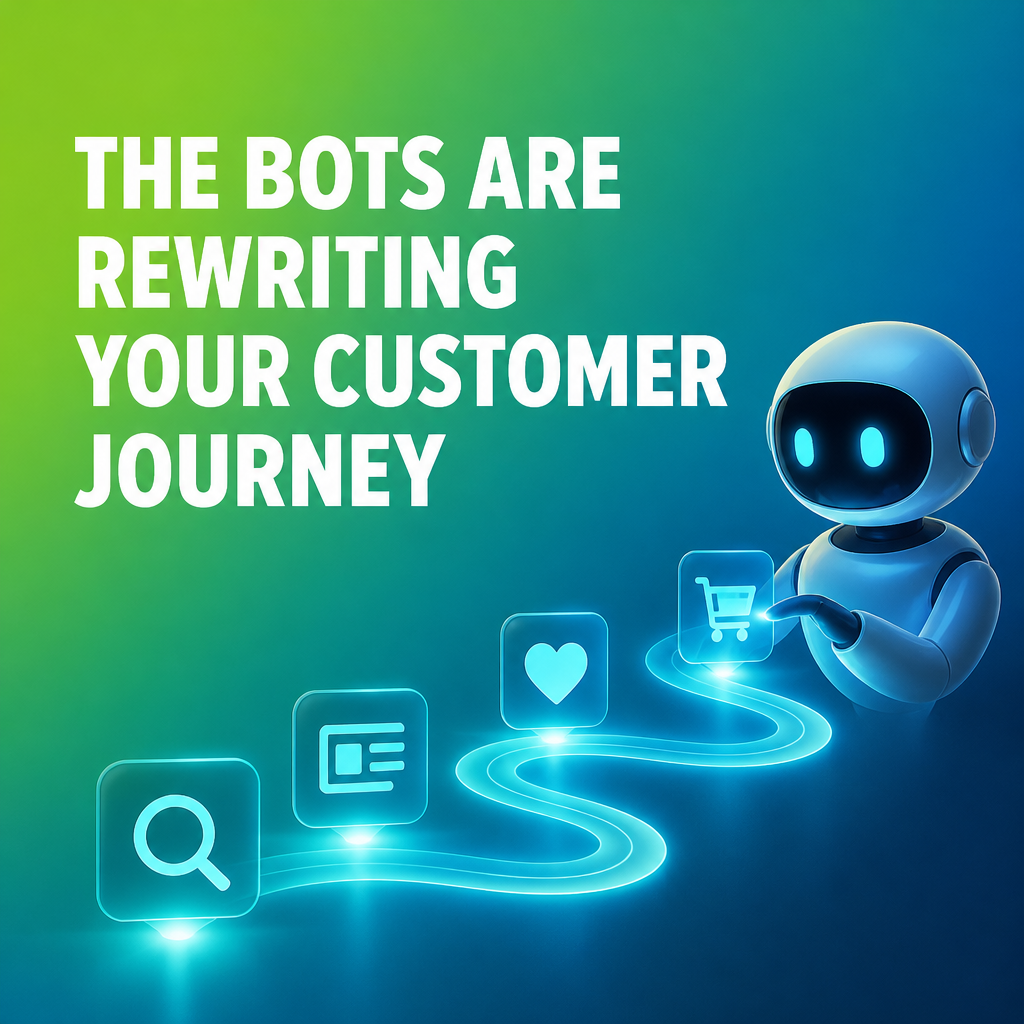
Search engines are placing more links within AI generated answers and testing prominent areas for official information. At the same time, apparent declines in traffic from conversational tools may reflect tracking weaknesses rather than reduced demand. Marketers must therefore optimise for inclusion in answers while improving attribution across fragmented, increasingly indirect customer journeys.
The problem is that traditional rankings and last-click reports no longer show the whole picture. A prospect may discover a company through an AI answer, return through a branded search and convert after several untracked visits. If teams react to incomplete data, they may cut effective channels or overinvest in activity that merely receives credit.
The answer is to monitor a wider set of signals. Track branded demand, qualified sessions, assisted conversions, direct traffic, referral quality and the questions that bring prospects into the category. Make important pages easy for search systems to understand by providing clear evidence, current information and links to authoritative resources.
Will simpler commerce experiences make brands more interchangeable?
Universal shopping carts and increasingly integrated checkout journeys reduce friction by allowing customers to manage products from multiple merchants in one place. That convenience can increase conversion, but it may also weaken individual brand relationships. Companies will need distinctive value, dependable fulfilment and useful first party data to avoid becoming interchangeable suppliers inside someone else’s shopping interface.
The immediate pressure is familiar: every extra click creates abandonment. Yet consolidation also changes where the customer relationship lives. If the platform owns discovery, comparison and payment, the merchant may lose behavioural insight and direct opportunities to build loyalty.
Marketers should treat convenience and differentiation as parallel priorities. Improve feeds, product data, availability and delivery promises so products perform well in aggregated shopping environments. At the same time, invest in reasons to return directly, such as expertise, service, community, personalised recommendations and a post purchase experience competitors cannot easily copy.
What can creator-led growth teach us about efficient distribution?
Creator campaigns can turn a relatively young product into a significant commercial success when the product is easy to demonstrate and the distribution system is managed systematically. The strongest programmes combine many credible voices, clear audience fit, repeatable creative formats and measurement beyond reach. Creator monetisation is becoming a performance channel, not only a brand activity.
The risk is treating influence as a shortcut. Paying for attention without understanding the audience, message or conversion path can produce views that never become customers. Corporate creators and specialist voices may also lose credibility if every post feels like an advertisement.
A better approach is to give creators a strong customer problem to solve, then allow them to express the solution in their own language. Test different audience segments and creative angles, compare assisted and direct conversions, and retain the partnerships that generate qualified demand. Authenticity should be designed into the operating model, not requested after the campaign launches.
How should teams control the cost of expanding AI use?
As AI features move towards usage based pricing, organisations need spending controls, flexible billing and clear ownership. Growth teams should connect AI costs to measurable outcomes rather than treating usage as an unlimited productivity budget. The goal is sustainable adoption, where every automated task has an understood value, service level and escalation path.
Without controls, experimentation can quietly become operational waste. High volume prompts, duplicated workflows and poorly governed access may increase bills while delivering little improvement in customer or employee outcomes.
What This Means for Marketers
- Build an AI measurement framework that includes accuracy, cost, speed, conversion quality and customer satisfaction, not just activity volume.
- Optimise content for answer engines with clear structure, trusted evidence, current information and pages that directly resolve customer questions.
- Audit attribution across search, conversational referrals, direct visits and assisted conversions before changing channel budgets.
- Use creators as a measurable distribution network, testing audience fit, message quality and qualified revenue rather than counting reach alone.
- Protect human differentiation through expertise, service and judgement, especially when platforms make products easier to compare.
The self-driving company is not a business without people. It is a business where machines handle more repeatable work and humans spend more time on direction, trust, creativity and difficult decisions. The growth leaders who benefit most will not automate indiscriminately. They will build reliable systems, measure what matters and keep the human advantage visible at every important customer moment.