
## Meta Glasses and Job Cuts Signal a New Work Era
As automation accelerates across industries, tech giants are redefining how marketing, customer service and employment function. AI is no longer a back-end utility but a front-line partner. From immersive smartwear to job restructuring, a new era of digital work and creativity is taking shape.
### How is AI changing customer engagement?
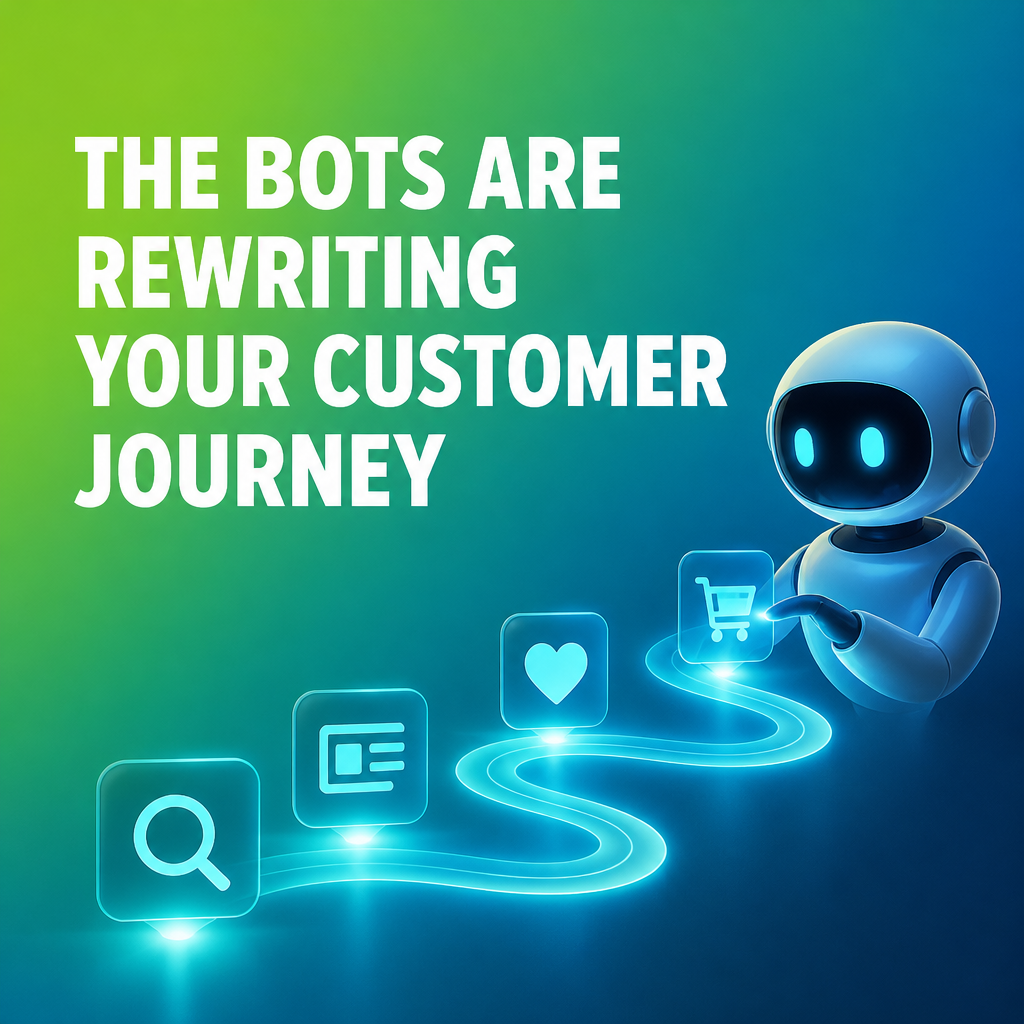
AI tools are turning from passive helpers into customer-facing employees. Meta’s new enterprise AI business agents allow brands to manage complete customer interactions via WhatsApp. These agents can handle transactions, answer questions and maintain consistent tone across regions, offering 24/7 support while cutting operating costs.
Unlike earlier chatbots, these systems adapt to business logic and brand voice, suggesting a near-future where AI becomes the primary contact for most customer queries. This shift marks a rebalancing of marketing budgets towards automation infrastructure and away from headcount-heavy service teams.
What This Means for Marketers
* Reallocate spend from call centres to automated CX platforms
* Design brand guidelines for AI-driven responses
* Integrate AI tools with CRM pipelines for real-time insight
* Train staff to supervise or refine AI workflows
### What signals the next phase of AI-driven workforce transformation?
Layoff data points to structural change: 40% of recent tech job losses are linked to AI adoption. Roles involving repetitive knowledge tasks are being automated, allowing companies to focus on creative and technical hybrids. In parallel, over one million “new collar” jobs have been created, combining trade skills with data-driven tasks such as constructing data centres or tuning AI systems.
This transition reflects a third phase of AI adoption: integration not as replacement but as redesign. Workflows are re-engineered to prioritise machine-human collaboration, and team structures evolve around oversight, quality assurance and creative direction—areas where human intuition still matters most.
What This Means for Marketers
* Expect AI to change job scopes rather than just reduce headcount
* Build hybrid skills—data fluency alongside storytelling
* Use automation to elevate rather than eliminate human creativity
* Position teams for AI oversight and governance roles
### Are AI’s creative limits holding marketing back?
Yes, in some respects. Despite AI’s growing power, specialists highlight its weaknesses in visual and narrative quality. Current models can produce generative assets that appear inconsistent, with flawed human imagery or repetitive concepts. When such content is published unchecked, it erodes authenticity and audience trust.
The most successful teams treat AI as a starting point. They merge automated generation with traditional creative craft: refining copy, human-checking outputs and ensuring campaign coherence. The market is now favouring “AI-integrated creatives” who can bridge artistic thinking and technical command to maintain brand distinction in an automated landscape.
What This Means for Marketers
* Position AI as creative assistant, not replacement
* Build quality-control loops within AI-driven content production
* Invest in hybrid creative training to protect brand personality
* Evaluate tools by time saved and quality outcomes, not features
### What are the major innovations redefining digital advertising?
A new wave of AI-enabled platforms is reshaping campaign targeting and user interaction. Yahoo’s launch of an Adtech Agent Network and the predictive search tool “Scout” shows how integrated agents can run automated bid optimisation. Brands can execute dynamic, audience-specific campaigns without constant human monitoring.
Meanwhile, LinkedIn has introduced “Connected Apps”, enabling professionals to verify skills through third-party software. Verified credentials help advertisers target users based on proven competencies rather than self-reporting, increasing B2B campaign precision and reducing budget waste.
What This Means for Marketers
* Adopt AI ad platforms to streamline campaign management
* Use skill-based targeting to match content with verified audiences
* Explore cross-platform data partnerships for richer segmentation
* Prepare for reduced manual optimisation as AI agents take over routine ad operations
### How are smart glasses shaping the next ad frontier?
Meta’s latest smart eyewear takes advertising from screen to sightline. The new Meta Glasses integrate on-device AI that responds to context, delivering immersive and voice-triggered promotions through augmented reality. Partnerships with fashion designers demonstrate how product and lifestyle branding are merging within wearable technology.
For marketers, this opens a path to hyper-personalised experiences: context-aware offers triggered by the user’s environment, mood or voice command. It also signals the return of wearable ads—this time powered by real intelligence rather than simple notification feeds.
What This Means for Marketers
* Prepare strategies for on-device and AR-based advertising
* Collaborate early with hardware partners on creative placements
* Ensure transparency and consent in behavioural ad delivery
* Anticipate new metrics for attention within wearable ecosystems
### What does all this reveal about the new work era?
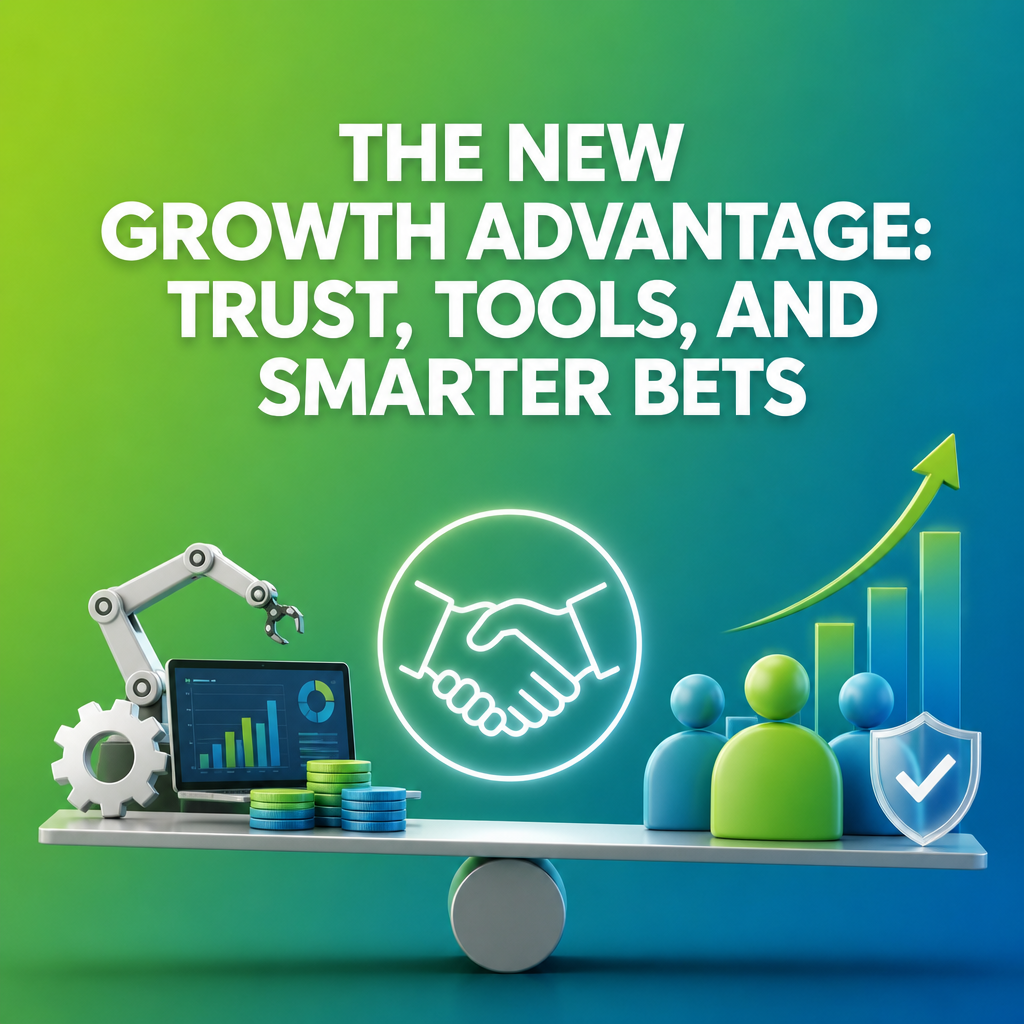
The convergence of AI automation, wearable computing and workforce redesign represents a recalibration of creative labour. Companies are no longer experimenting with AI; they are reorganising around it. Customer service, ad targeting and content production are being rebuilt as continuous, data-trained systems.
This transformation will reward adaptability. Marketers who fuse technology insight with strategic empathy will define the creative edge of automation. Those who cling to pre-automation workflows risk seeing their functions codified and replicated by machine logic. The next phase of growth belongs to those who can balance precision with the uniquely human skill of contextual understanding.