
## Retail Giants Test ChatGPT Ads Amid Flat Sales
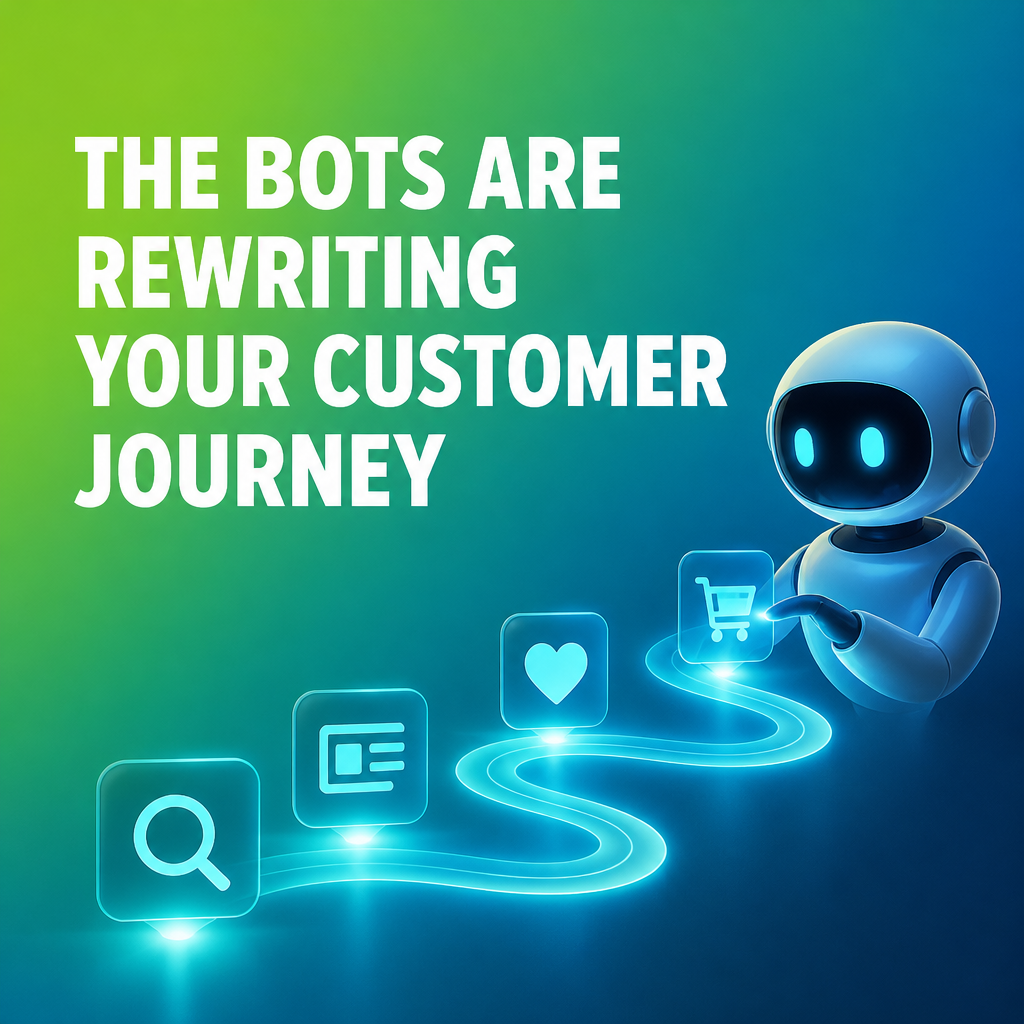
As consumer attention fragments across digital platforms, leading retailers are turning to AI-powered advertising experiments to reignite growth. Conversational formats powered by generative AI are moving from novelty to necessity, offering marketers new routes to personalisation, measurement, and real-time engagement.
### Why are retailers experimenting with ChatGPT ads?
Major retail chains are testing AI-driven advertising integrated within conversational platforms to capture intent-rich moments and reframe customer engagement. Williams-Sonoma’s February 2026 pilot embeds labelled promotional messages inside ChatGPT, reflecting a push to merge brand storytelling with functional discovery in an interactive environment.
This test marks a notable evolution in direct commerce, transforming static product displays into two-way experiences. As traditional e-commerce growth plateaus, the company is exploring how AI conversation can replicate the warmth of in-store service while optimising conversion and cross-sell potential.
**What This Means for Marketers**
* Monitor early performance metrics from conversational ad pilots to gauge engagement versus standard PPC.
* Consider how chat interactions can complement existing CRM and loyalty strategies.
* Prioritise transparency and labelling to maintain user trust within AI-driven interfaces.
* Revise measurement models to attribute conversions that begin within dialogue-based scenarios.
### How does this align with broader digital innovation strategies?
Retailers facing tariff pressures and stagnant online sales are reallocating budgets from traditional display advertising to exploratory channels. Williams-Sonoma’s participation demonstrates how brands can turn commercial challenges into catalysts for marketing innovation, testing new ecosystems before widespread adoption.
The move underscores a larger strategic shift across retail: replacing volume-based advertising with personalised, conversational formats that deliver measurable engagement and qualitative insights. These pilots also signal a corporate intent to be perceived as leaders in the artificial intelligence economy, appealing to investors seeking scalable innovation stories.
**What This Means for Marketers**
* Position experimental ad formats as part of a broader innovation narrative, not one-off tests.
* Tie pilot results to measurable KPIs such as customer satisfaction and repurchase rate.
* Anticipate regulatory expectations around AI-driven marketing disclosure.
### How are small-business agencies responding to AI disruption?
As enterprise brands experiment with embedded AI marketing, smaller agencies are adjusting their offerings to preserve competitiveness. Best PPC Firm’s February 2026 expansion integrates pay-per-click management with SEO optimisation tailored for small and medium-sized firms, enabling cross-channel transparency across Google, retail, and social platforms.
This move responds to the same forces transforming retail marketing: automated bidding, algorithmic content ranking, and shifting user intent patterns. By combining structured campaign design with algorithm-aware SEO, agencies are providing accessible paths for smaller clients to benefit from AI-enhanced targeting without overextending budgets.
**What This Means for Marketers**
* Align paid search and SEO strategy within unified analytics dashboards to counter platform opacity.
* Incorporate predictive analytics and real-time keyword analysis to sharpen performance.
* Build scalable service packages that flex with changing ad platform AI updates.
### What critical shifts are shaping digital advertising innovation now?
Across the advertising sector, brands are transitioning from audience segmentation to conversational engagement. Instead of targeting users through inferred preferences, marketers can now engage them contextually through dialogue. These new interactions transform how value is delivered: from impression to conversation, from exposure to collaboration.
Moreover, the integration of labelled ads within AI-driven environments represents the first step toward a hybrid attention economy, where search, discovery, and purchase exist within the same conversational flow. Early adopters benefit from experimentation data that others will later use as templates for scaling strategies.
**What This Means for Marketers**
* Prepare creative teams for dialogue-based campaign design.
* Train customer service and brand teams to maintain tone and compliance inside conversational ads.
* Develop ethical frameworks around user consent, data privacy, and automated engagement.
### Where is AI and marketing integration heading next?
While few breaking announcements emerged this week, trendlines show 2026 as a decisive year for marketing AI maturation. Generative interfaces are evolving from novelty chatbots into commerce platforms capable of influencing consideration and purchase decisions directly. The next wave will likely centre on analytics—using conversation-derived insights to inform product development, content personalisation, and loyalty refinement.
For marketers, early experimentation will be key. Those who master conversational formats now will define the benchmarks for attribution, creative design, and customer experience as new AI ecosystems take hold.
**What This Means for Marketers**
* Build pilot programmes that focus on incremental learning, not immediate ROI.
* Share insights across internal teams to accelerate cross-functional adoption.
* Partner with AI specialists to navigate emerging best practices and compliance frameworks.
### Final Take
The retail and agency moves observed this month illustrate a pivot point in digital advertising. As attention becomes interactive, marketers must move beyond keyword bidding and audience profiling to embrace dynamic, AI-facilitated engagement. Conversational ads are more than a technical test; they represent a philosophical shift toward personalised, trust-driven marketing. For brands adapting early, this evolution promises both performance advantage and a redefined customer relationship built on responsive dialogue rather than one-directional messaging.